COLOMBO, Sri Lanka – Just under four hours away from Singapore, another island brims with the history and melting-pot culture of the four major religions of the world.
Sri Lanka, a country of about 22 million, may not spring to mind as readily as Thailand or Bali in Indonesia when considering budget travel destinations close to home.
However, with low-cost carrier Jetstar having launched non-stop flights between Singapore and capital city Colombo in November 2024, the country now presents a compelling alternative to more well-trodden paths.
Sri Lanka’s tourism industry is dwarfed by other regional destinations such as Thailand and Cambodia.
In 2023, the country reported tourism revenues of US$2.1 billion (S$2.8 billion). That same year, Cambodia drew tourism revenues of US$3.04 billion and Thailand, US$35 billion.
In recent years, Sri Lanka has suffered from an economic crisis that has led to debt default, inflation, shortages of supplies such as food and fuel, and national protests, though the situation is on the mend and the country has returned to modest growth in 2024. It reported tourism revenues of more than US$1.5 billion in the first half of 2024, representing a 78 per cent increase from the same period in 2023.
My trip to the island in November 2024 revealed an affordable destination rich in heritage and extraordinary encounters with wildlife.
Sri Lanka’s 2,500 years of documented history have been shaped by its location along the ancient maritime silk road, making it a crossroads for merchants, missionaries and envoys from the West, the Middle East, South-east Asia and more.
This history was on full display during my visit to Sri Lanka’s Cultural Triangle, an area that covers most of the country’s eight Unesco World Heritage Sites, including the ancient city of Sigiriya and the sacred city of Kandy.
Yet, for all its charms, Sri Lanka’s tourism industry is still coming into its own.
Mr Anushka Fernando, a 32-year-old Sri Lankan doctor who works in Colombo, says frustrations over how the country is perceived are commonplace among locals.
“Many people still associate Sri Lanka with the civil war that ended in 2009 or the 2019 Easter attacks (where churches and hotels were bombed), even though the country is peaceful and welcoming now.
“Also, too many tourists lump Sri Lanka and India together,” he adds. “The truth is that our countries have really different cultures, identities and experiences.”
Here are four reasons to visit Sri Lanka on your next trip.
A visual feast of sacred histories
While Singapore’s history of multiculturalism has been shaped largely over the span of a few centuries, Sri Lanka can trace its recorded history over 2½ millennia.
My journey through the country is peppered with details on how travellers left their imprint on the island, and how the island left its mark on the world.
“Did you know that Sri Lanka is the birthplace of cinnamon?” asks my guide on a bus ride across Colombo.
This lucrative spice made the country the subject of struggles between former colonial powers – the Dutch, the Portuguese and the British have all at one point controlled parts of the island.
In Colombo, cosy cafes scattered in hidden courtyards offer a soothing respite from the city’s lively streets. The capital is a patchwork of religious monuments and vibrant markets, as well as old colonial buildings repurposed as cafes and shopping arcades.
However, the true highlights of my trip begin only after we depart Colombo for the ancient cities of Dambulla, Sigiriya and Kandy, where the country’s royal history has survived to modern day.
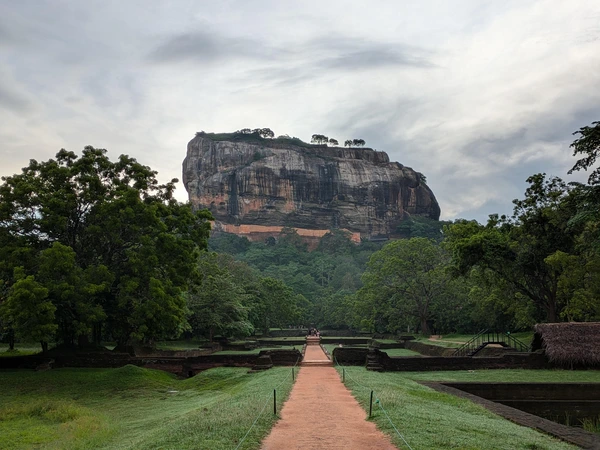
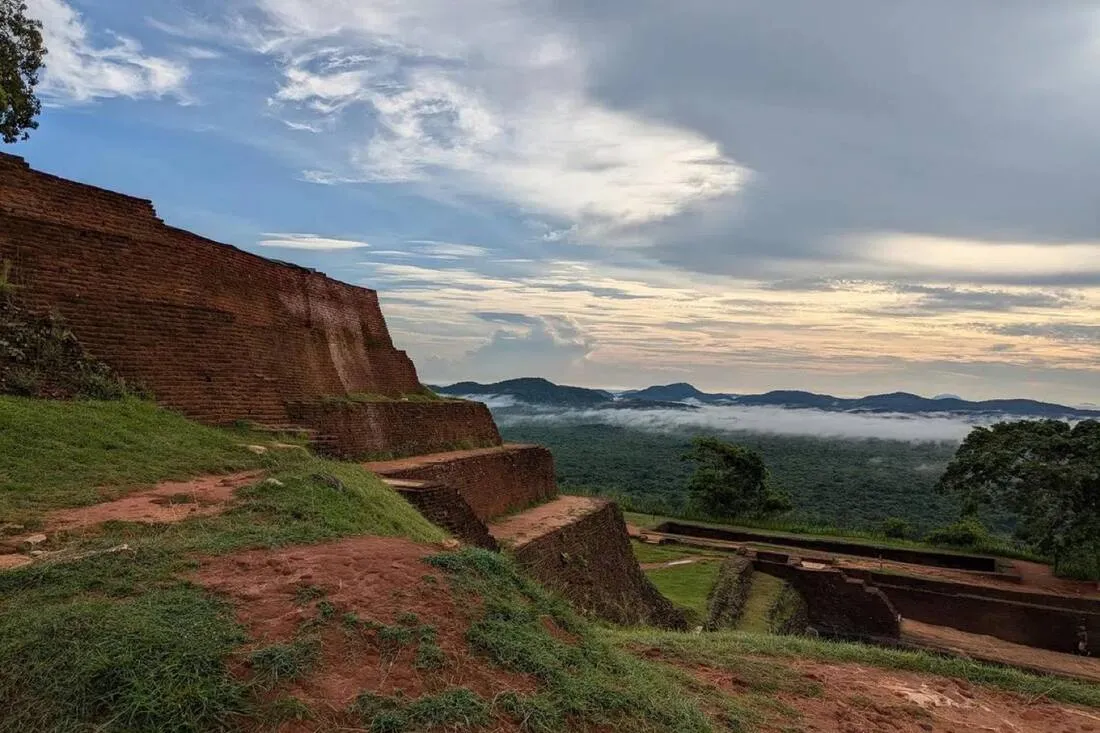
In Sigiriya, we gather at dawn to travel to the ancient city and ascend Lion Rock, a fortress built atop a massive rock plateau more than 1,500 years ago.
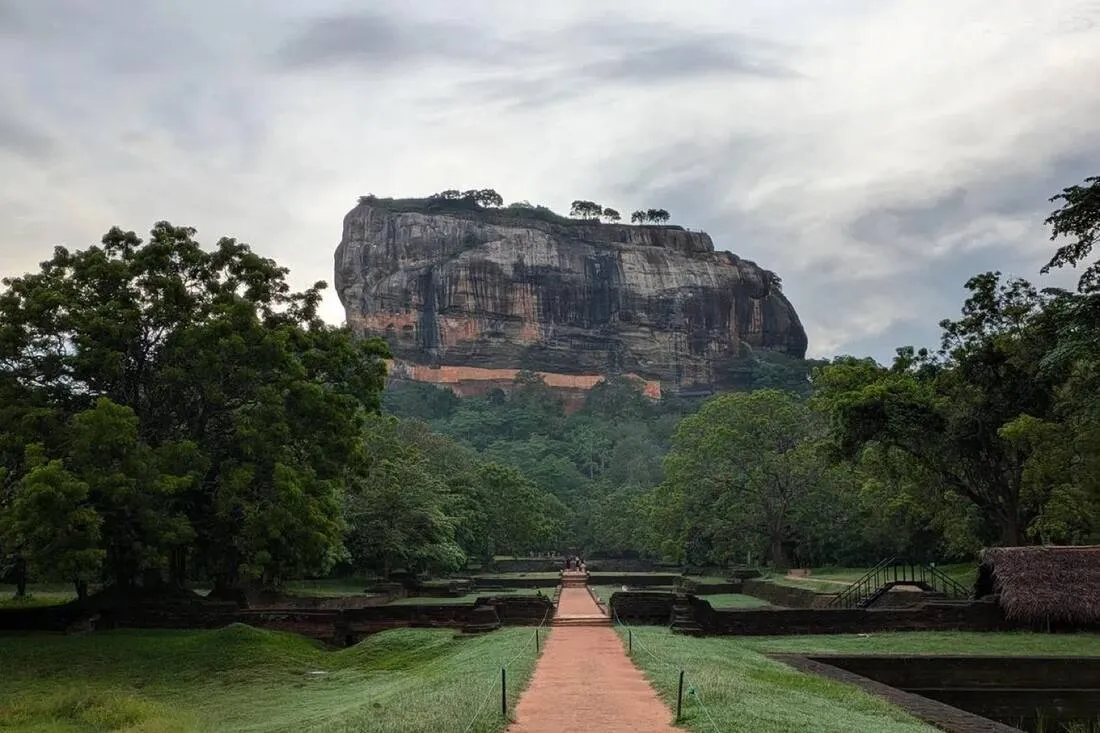
The fortress takes about an hour to climb, with many breaks along the steep staircases, but the reward is well worth it – panoramic views of lush forests, ancient irrigation systems and water gardens, and well-preserved frescoes.
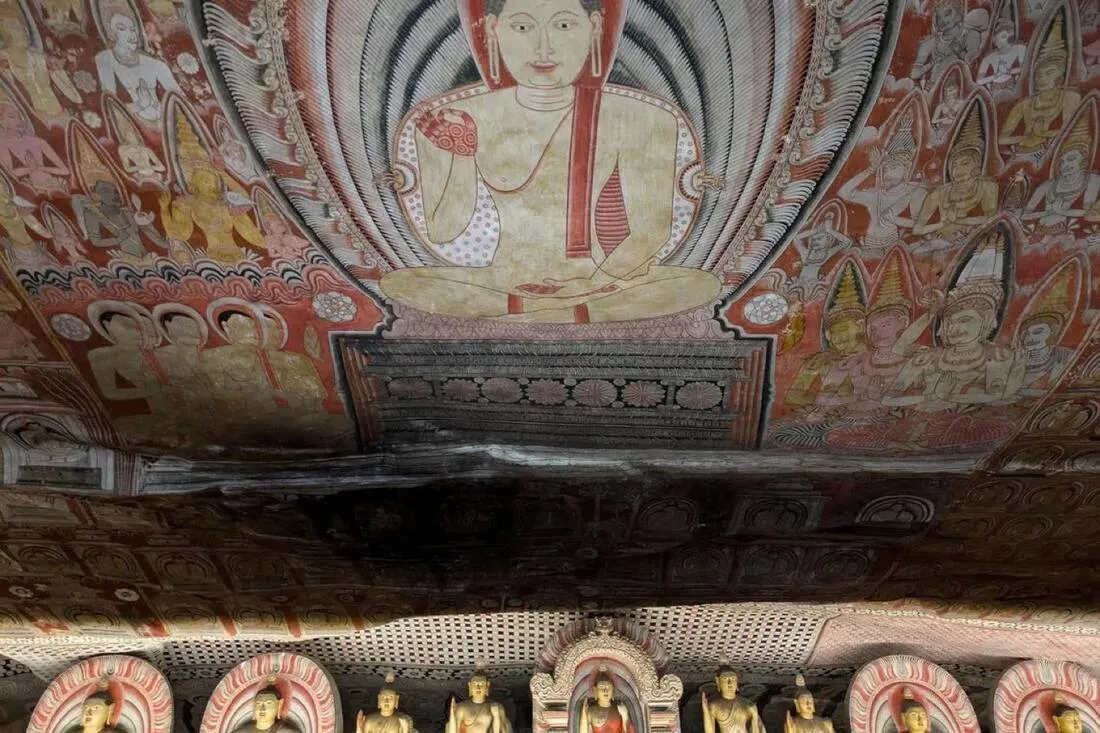
Nearby, Dambulla Cave Temple adds another layer of historical depth. This temple complex, another Unesco World Heritage Site, is carved into a rock face and reveals intricate Kandyan-era Buddhist art and architecture.
Visitors craning their necks at the ceiling paintings – some depicting scenes from the Buddha’s seven-week journey after enlightenment – will discover a wealth of details like paintings of fish and flowing water that follow the natural formation of condensation in the cave.
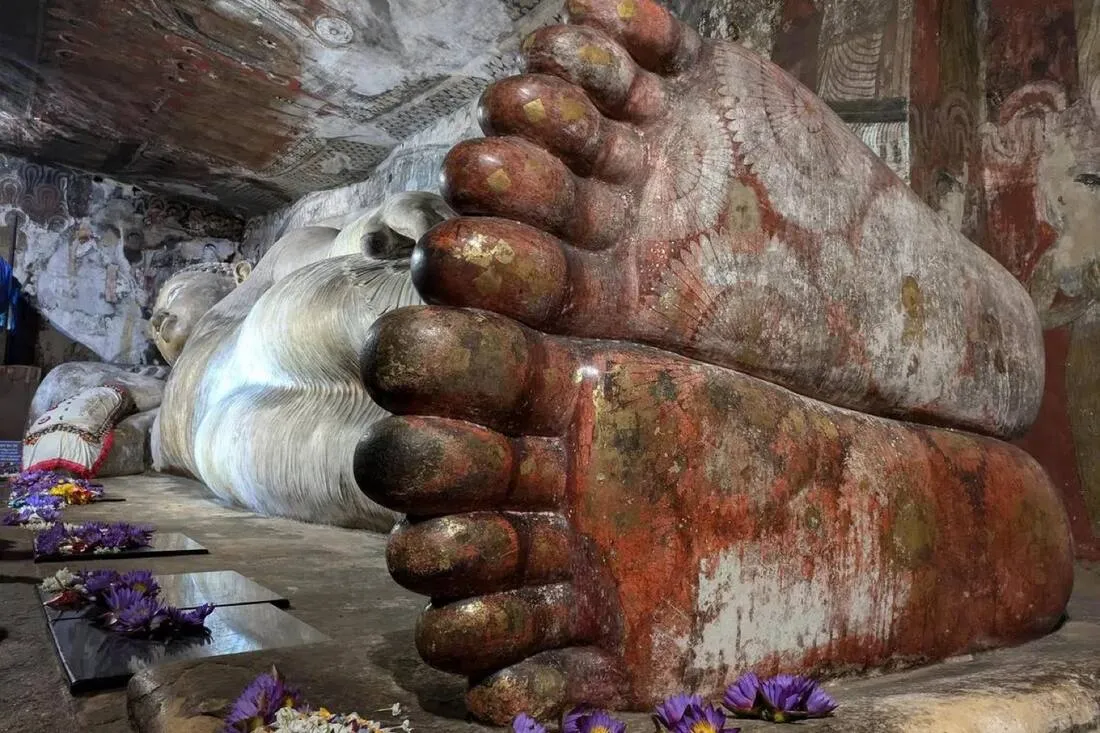
It is details such as these – like the art of gun-wielding soldiers, or the Buddha statues with uneven toes which signify his last earthly moments – that make the temple a feast for the eyes.
Another highlight of the trip is visiting Kandy, the last capital of the Sinhalese kingdom of Kandy, where monuments, temples and hotels encircle a majestic lake.
Here, a visit to Sri Dalada Maligawa, or Temple of the Sacred Tooth Relic, invokes a different kind of awe.
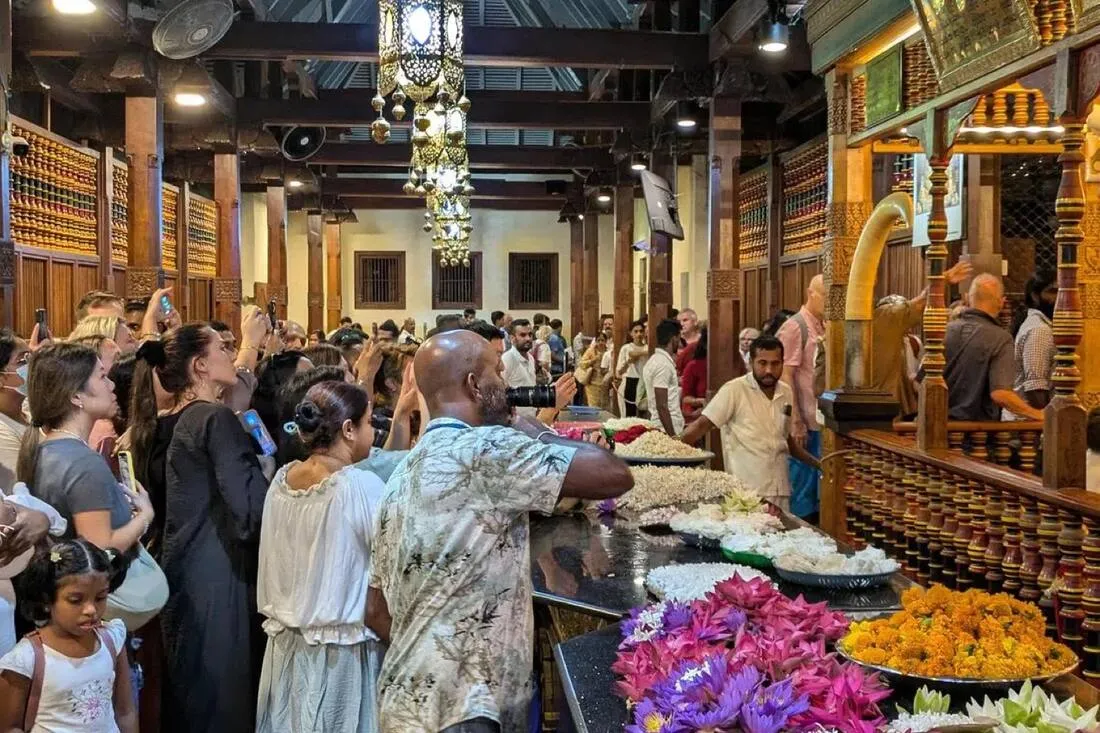
Crowds both local and foreign throng to catch the briefest glimpse of the casket said to hold a tooth of the Buddha. The temple is also full of gems such as a hall of donations from across the Buddhist world and the recreation of a Sinhalese king’s audience chamber.
The size of the congregation is immense, and piety does not keep people from cutting lines. I have never felt more like paparazzi than when I am standing amid the masses, yearning for a glimpse – and picture – of the temple’s namesake relic.
Heritage researcher Hasini Haputhanthri, who is a research fellow at Sri Lanka’s International Centre for Ethnic Studies, says the country’s location on the crossroads of trade means members of all four of the world’s major religions – Buddhism, Hinduism, Islam and Christianity – call it home.
“Sri Lankan heritage is a mosaic of all the tangible and intangible cultural heritage of people who have populated her throughout time,” she says.
Many of the country’s destinations, such as Sri Pada – also known as Adam’s Peak – are sacred pilgrimage sites for the four religions.
Ms Haputhanthri adds: “One of the areas our tourism industry can improve is how we project our diversity to the world.”
Wildlife wonders, but with caveats
History is not the only draw for visitors to Sri Lanka. While many who partake in wildlife tourism might imagine an African safari or Thailand’s rainforests, Sri Lanka’s lush jungles and national parks teem with biodiversity.
The country has 26 national parks in all, with nearly 9 per cent of the island’s total area set aside as conservation spaces. Some of the country’s top attractions include leopard-spotting in Yala National Park, or whale-watching off the Sri Lankan coast.
Ms Nicole Lim, a Singaporean travel agent who founded Adventure Together SG specialising in wildlife and nature tours, says these points are a key draw for her clientele. Sri Lanka is home to one of Asia’s largest gatherings of wild elephants, and has parks that are said to have the highest density of leopards in the world.
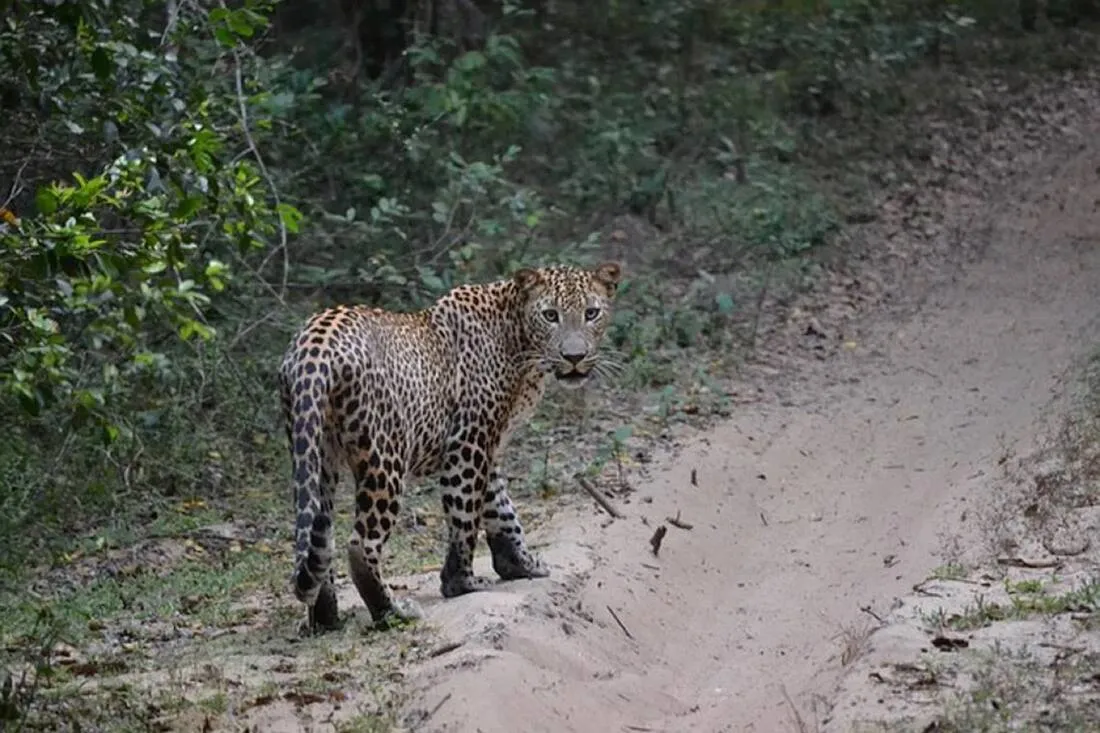
In Yala National Park, she recalls marvelling at the sight of crocodiles, jackals, spotted deer, storks and eagles in the span of hours.
However, my own experience at Minneriya National Park left me with mixed feelings.
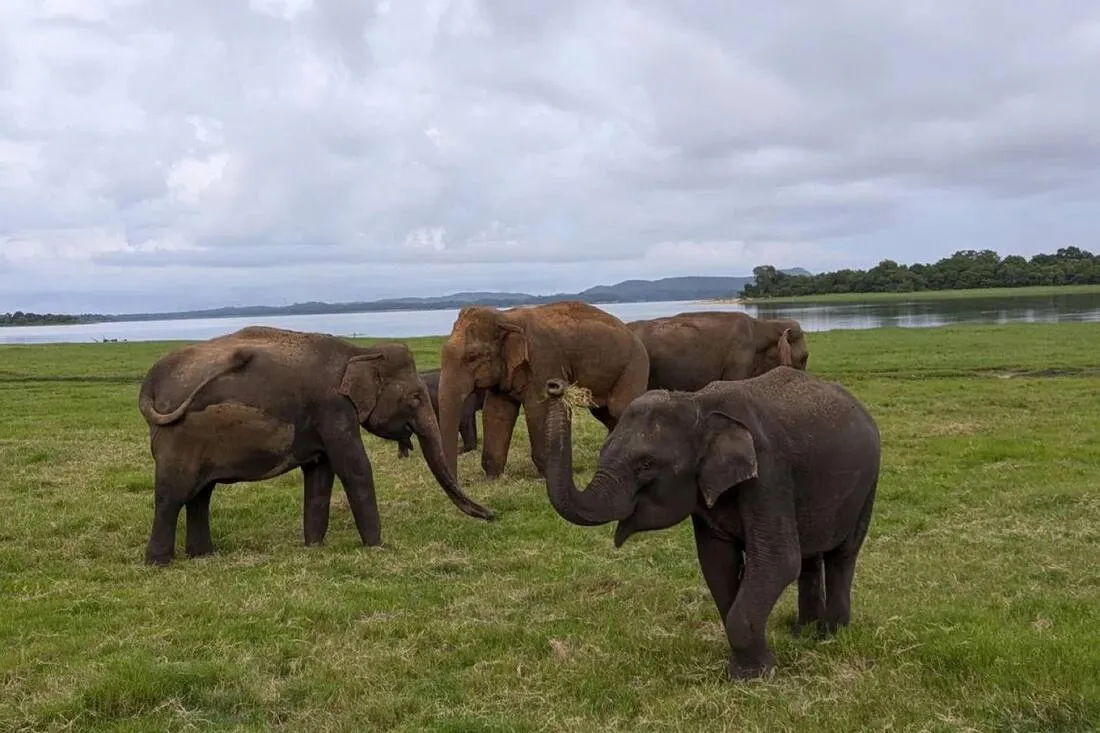
After a bumpy and muddy 30-minute jeep ride from the park’s entrance, I spot peacocks, water buffaloes and, most importantly, the elephant herds.
My jeep is crammed with tourists like me, all straining to capture the perfect shot of these animals as they graze in their natural environment – a rare sight for someone whose encounters with animals have always been through the bars of a zoo cage.
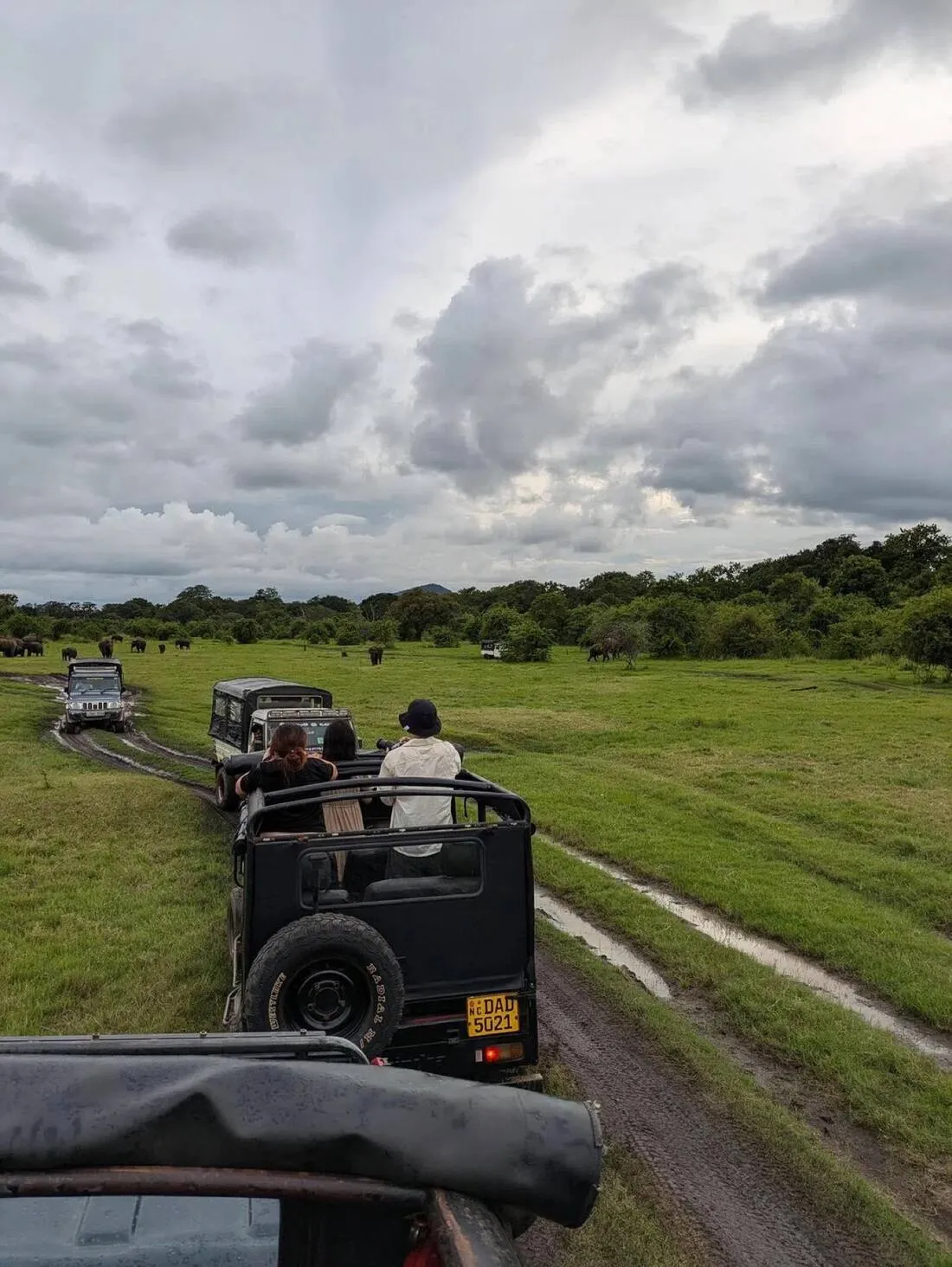
But seeing the majesty of these creatures up close is in stark contrast to the long lines of vehicles encircling these animals, not unlike the long lines for a ride at a theme park.
While our driver keeps us at least 15m from the herd at all times, I notice the occasional engine revving uncomfortably close to the animals to get its passengers the best shot.
While the animals seem unbothered and possibly even used to the noise and human presence, it is hardly a pristine environment for them to exist in nature.
After speaking to Mr Ravi Corea, president of the Sri Lanka Wildlife Conservation Society, I get the sense that wildlife tourism in Sri Lanka is a complex proposition.
For one thing, Mr Corea says such wildlife tourism has little tangible impact for animal conservation, calling it a “tourist trap”.
“The hordes of visitors in convoys of safari vehicles to Minneriya are a disruption to the park’s inhabitants as well as to its environment,” he adds. “The wheels of hundreds of vehicles and their emissions are harmful to the park environment, its wild inhabitants and the visitors.”
However, he notes that tourism does play a role in showing the economic importance of the country’s national parks.
“Conservationists can use that fact as leverage to get the government to set aside more land for wildlife, hopefully,” he says. “The fact is, no other land use generates as much income as national parks.”
Mr Corea adds that his organisation is trying to make the case for wildlife conservation tourism as a sustainable revenue source. This might allow villagers to shift away from subsistence farming, which can be destructive to local wildlife, towards more lucrative income sources such as creating sustainable tourist lodges.
Affordability and comfort a plus
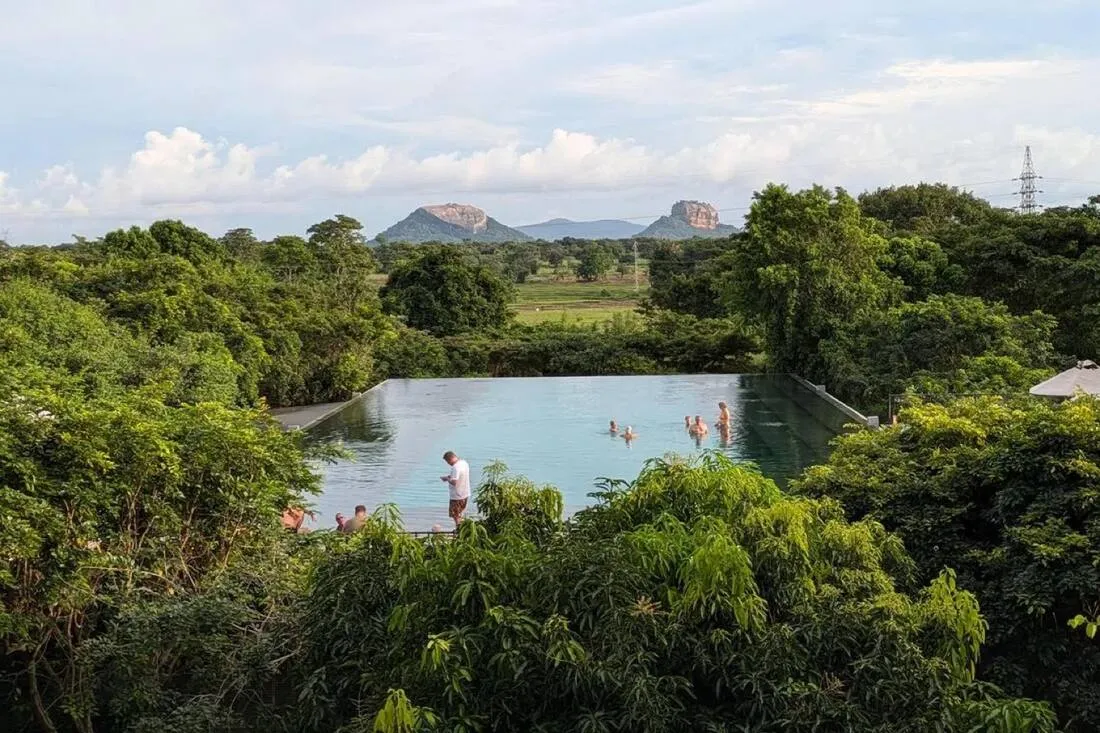
One advantage of travelling in Sri Lanka is the affordability of quality accommodation and transport.
A dense network of resorts has cropped up around the country’s heritage sites and national parks.
One highlight of my trip is being able to kick up my feet by an infinity pool at Aliya Resort & Spa ($302 a night; go to str.sg/B87o) to watch the sunset over Lion Rock, after a long day of climbing ancient fortresses and visiting temples.
The prevalence of ride-hailing makes it easy to move within and around the country’s major cities. My four-hour Uber ride between Kandy and Colombo costs about 11,000 Sri Lankan rupees (S$50) – and arrives just 15 minutes after I book it.
Traffic is calmer than in many South-east Asian capitals, without the road-crossing chaos that is typical in dense urban locales such as Hanoi, Vietnam.
More than a weekend trip
While tourism in popular South-east Asian cities can feel like a well-oiled machine, my time in Sri Lanka reminds me more of places that are less trodden.
As key sites are scattered across the island, joining a tour is a convenient option, but finding a good one can be tricky amid a fledgling industry.
Tour operators sometimes funnel visitors into “gem museums” (thinly veiled gem stores), spice gardens hawking miracle cures and hair removal creams, or Ayurvedic massage parlours that are hit-or-miss.
During my trip, these attractions are packed with busloads of tourists looking bored or listless. Yet these tourist traps can be lucrative. At a spice garden, our group of 10 travellers collectively spends more than $1,500 on products such as hair removal creams and anti-ageing lotions.
Certain attractions feel catered towards the Western gaze. Parts of the Hiriwadunna Village Tour near Sigiriya, for instance, feel as though they romanticise the activities of rural life – such as showcasing a local making sambal using rustic tools.
Perhaps this is due to the activities on show being too familiar. Or my guide explaining, when asked, that the village we visit, located near a busy main road, is a recreation of rural existence.
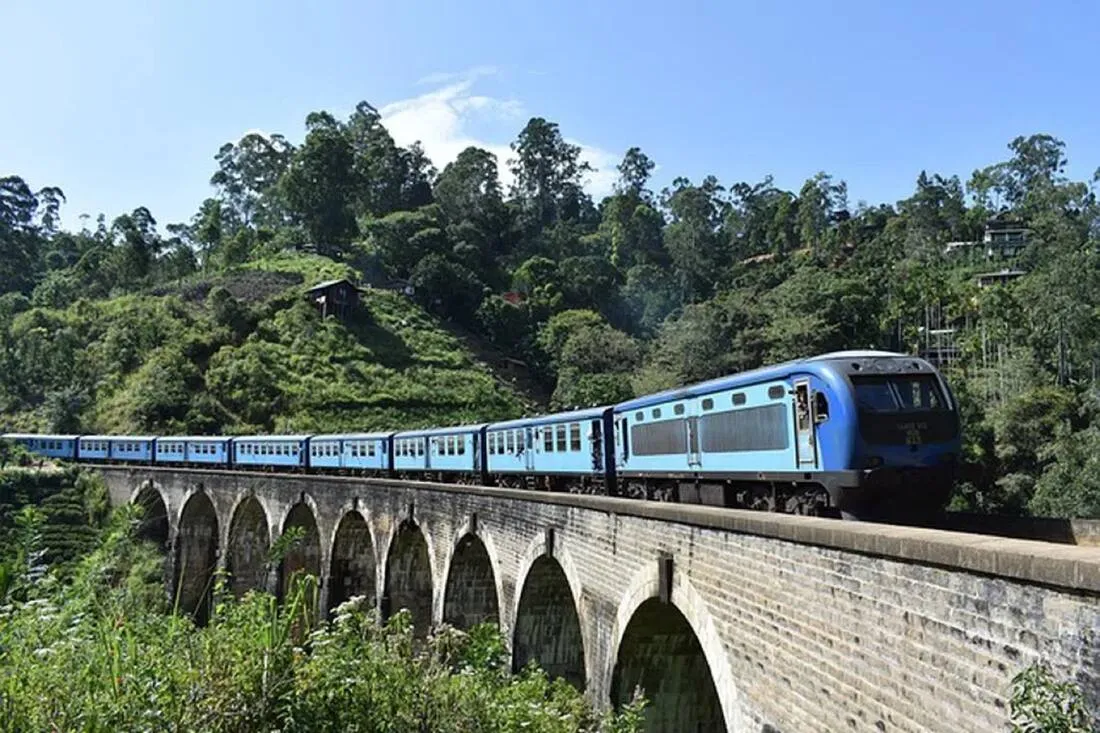
And, while the island looks modest on a map, its hilly terrain and limited highway infrastructure mean domestic travel is a time-consuming affair. A bus ride with no stops between Colombo and Dambulla, for instance, takes more than three hours.
While those short on time can pursue a laser-focused, three-day itinerary exploring the highlights of the country’s Cultural Triangle as I did, Sri Lanka is better suited to a longer foray. Cater at least five days for a jaunt around the country.
For those who can invest time, Sri Lanka will richly reward a traveller at a slower pace.
Travel tips
I fly from Singapore to Colombo via Jetstar, which takes just under four hours. A direct round-trip flight in March costs around $500, based on checks by The Straits Times.
Travellers looking to explore the country’s south-west should avoid the monsoon months of May to August, while those looking to visit its northern and eastern regions should avoid the October to January monsoons.
Sri Lanka is ideal for the budget traveller. A 15-minute Uber ride in the capital costs between 300 and 450 Sri Lankan rupees (S$1.35 and S$2), while simple meals at a cafe or a restaurant costs me no more than 2,000 Sri Lankan rupees.
The writer was hosted by Jetstar Asia.
Now Boarding is a new series on destinations that are taking off. For more travel stories, go to str.sg/travel